
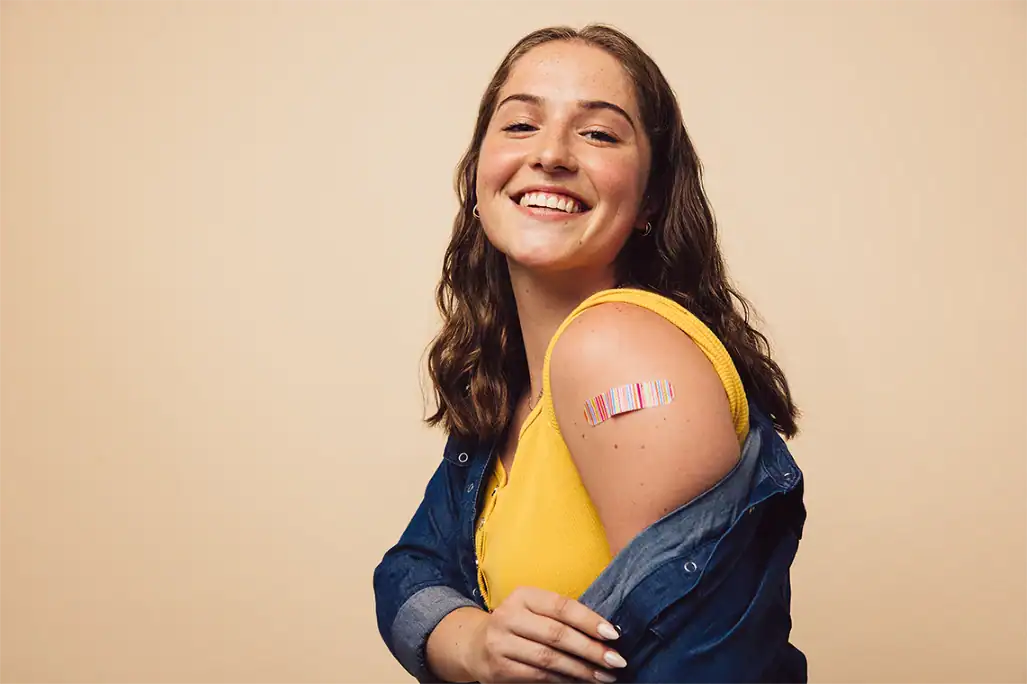
Building a Shield for Public Health
Vaccines are among the greatest achievements in medical history, saving millions of lives by teaching the immune system how to recognize and fight dangerous pathogens before they cause illness. Vaccine & Immunization Clinical Trials are the vital final step in ensuring that new preventions are safe, effective, and capable of providing long-lasting protection for people of all ages and health backgrounds.
Understanding Vaccine & Immunization Research
Preventative research focuses on “priming” the body’s natural defenses. Unlike studies for treatments, vaccine trials are typically conducted with healthy individuals to evaluate how well a new formulation can prevent a specific disease from taking hold in the community.
Vaccines and preventions frequently studied for medical research include:
-
Seasonal Flu: Testing next-generation or “universal” vaccines for broader protection.
-
RSV (Respiratory Syncytial Virus): Evaluating preventions for infants, pregnant individuals, and seniors.
-
Shingles (Zoster): Testing new formulations to prevent outbreaks and long-term nerve pain.
-
Pneumococcal & Meningococcal: Researching vaccines that protect against bacterial pneumonia and meningitis.
-
Norovirus: Investigating the first effective vaccines for “stomach flu” outbreaks.
-
Lyme Disease: Testing new ways to prevent tick-borne illness before it starts.
-
HPV (Human Papillomavirus): Researching expanded protection against cancer-causing strains.
-
Travel Vaccines: Evaluating protection against global threats like Yellow Fever, Cholera, or Malaria.
-
Combination Vaccines: Testing “all-in-one” shots that protect against multiple respiratory viruses at once.
Common Questions About Vaccine Research:
-
Can the vaccine give me the disease? No. Most modern vaccines use only a tiny, inactive piece of a virus or a genetic “instruction” (like mRNA) that cannot cause the actual illness.
-
Why do we need new vaccines if we already have ones that work? Viruses mutate over time, and our immunity can fade. Research ensures that our “shield” stays strong against new variants and provides longer-lasting protection.
What are Vaccine & Immunization Studies Exploring?
In recent years, research has shifted toward Rapid Response Platforms and Needle-Free Delivery. Depending on the specific trial, researchers may be investigating:
-
mRNA Technology: Using the same platform that revolutionized COVID-19 vaccines to target the flu, shingles, and even certain cancers.
-
Needle-Free Administration: Evaluating vaccines delivered via nasal sprays, oral drops, or “microneedle” skin patches.
-
Adjuvant Optimization: Researching “boosters” added to vaccines that help the immune system create a stronger, more durable memory of the pathogen.
-
Universal Flu Protection: Developing a single vaccine that targets the “core” of the influenza virus, potentially ending the need for annual shots.
Who Can Join a Vaccine & Immunization Clinical Trial?
Eligibility is often based on your age and your previous vaccination history. General criteria include:
| Eligibility Criteria | Typical Requirement |
| Health Status | Typically looking for generally healthy volunteers with no active infections. |
| Vaccine History | May require that you have not received a specific vaccine recently (or at all). |
| Treatment History | Studies may be open to those starting therapy for the first time or those looking for alternatives to their current regimen. |
| Age Range | Varies widely; can include pediatric, adult, or senior-specific groups. |
| Study Commitment | Willingness to attend check-ups and provide blood samples to measure antibody levels. |
The Screening Process:
Before joining, you will meet with a research team for a screening visit. This ensures the study is a safe and appropriate fit for your specific health profile. This visit often includes a review of your immunization records and a simple blood test to check your current baseline immunity.
What to Expect During a Vaccine & Immunization Research Study?
Joining a study as a healthy volunteer involves a straightforward process focused on evaluating safety and tolerability while strictly prioritizing your health and your daily schedule.
-
Informed Consent: The study team explains the vaccine technology, the schedule, and any potential side effects before you agree to join.
-
Vaccine Administration: You will receive the investigational vaccine, often administered in a single dose or a short series.
-
E-Diaries: Many studies provide a mobile app for you to easily record any minor symptoms (like a sore arm) for a few days after the shot.
-
Immunity Monitoring: Periodic, quick visits for blood draws to measure how many protective antibodies your body is producing.
-
No Cost to You: The vaccine, all related lab work, and physical exams are provided at no cost.
Why Participate in a Vaccine & Immunization Trial?
Choosing to participate is a powerful way to protect yourself and your community while advancing the future of medicine.
-
Early Access to Protection: Gain access to cutting-edge preventions before they are available to the general public.
-
A Detailed Health Profile: Receive thorough physical exams and specialized lab work at no cost.
-
No Insurance Required: All study-related care and immunizations are provided without the need for private insurance.
-
Compensation for Time: Most studies provide payment for your time and travel for each visit to the clinic.
-
Protect Future Generations: Your participation is what makes it possible to eradicate diseases and keep communities safe.
Your Safety & Privacy
Your safety is the absolute foundation of vaccine research. Every protocol is strictly reviewed and monitored by an Institutional Review Board (IRB) to ensure it meets the highest ethical and medical standards. Throughout the study, you are monitored by a specialized medical team, and participation is always 100% voluntary.
Stay Informed!
Breakthroughs in Vaccine & Immunization Research are occurring every day. Join our patient community to stay updated on upcoming studies and be the first to know when a new prevention opportunity opens in your area.