
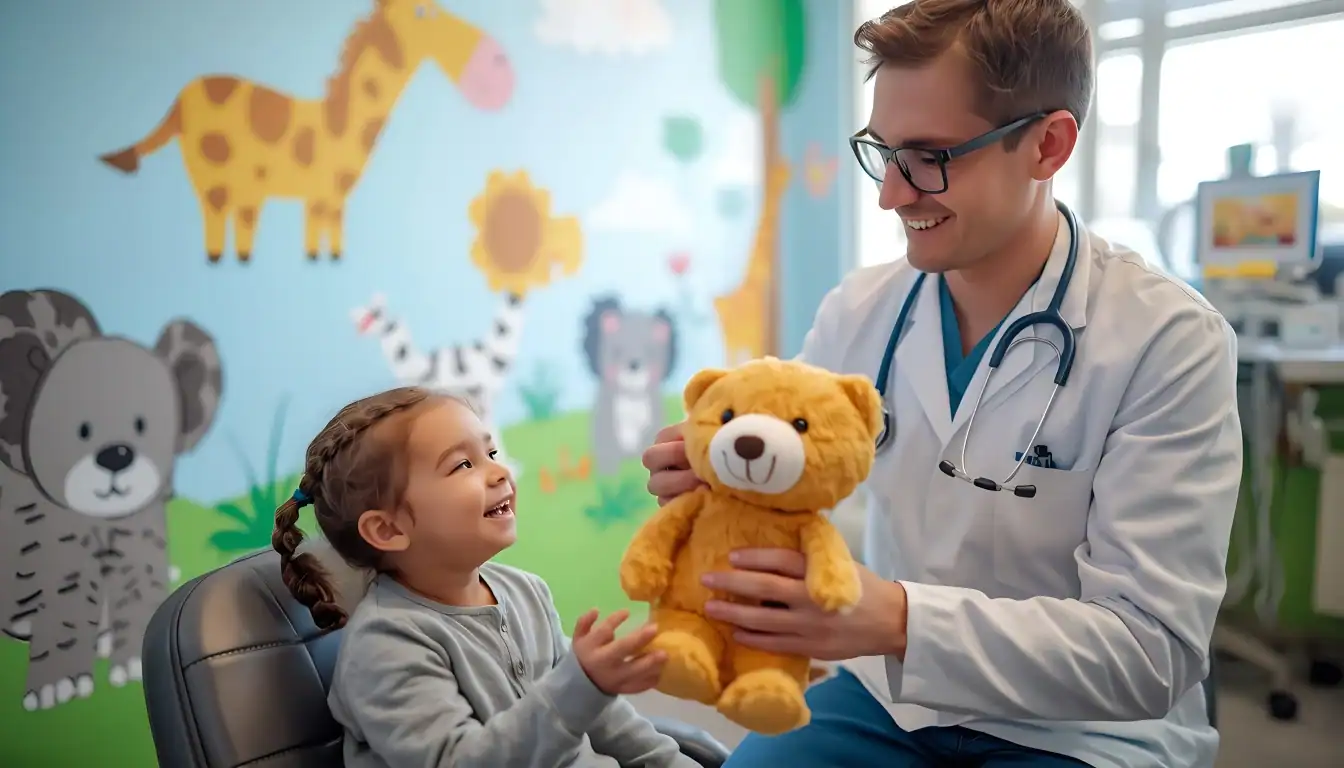
Protecting the Health and Future of Our Youngest Patients
Children are not just “small adults”; they have unique biological and developmental needs that require specialized medical attention. Pediatric Clinical Trials are essential for ensuring that medications, vaccines, and therapies are specifically designed and safely dosed for children of all ages. By participating in pediatric research, families help pave the way for safer, more effective treatments for children worldwide.
Understanding Pediatric Research
Pediatric research covers a wide spectrum of development, from the first days of life through adolescence. These studies focus on improving how we prevent and treat common childhood illnesses as well as chronic conditions that can impact a child’s long-term growth and wellness.
Pediatric conditions and age groups frequently studied for medical research include:
-
Neonates, Infants & Toddlers (Birth to 23 Months): Specialized safety and nutritional studies.
-
Preschool & Children (2 to 11 Years): Researching treatments for common childhood respiratory and skin conditions.
-
Adolescents & Teens (12 to 17 Years): Focusing on the unique hormonal and emotional changes of the teenage years.
-
Pediatric Vaccines: Evaluating new ways to protect children from infectious diseases.
-
Mental Health (Anxiety, Depression, ADHD): Testing therapies designed for developing minds.
-
Asthma & Respiratory Health: Researching long-term management for childhood asthma.
-
Obesity & Metabolic Health: Exploring ways to support healthy growth and nutrition.
-
Dermatology (Acne & Eczema): Testing gentle but effective treatments for pediatric skin conditions.
-
Type 1 Diabetes: Investigating new technologies and therapies for childhood glucose management.
Common Questions About Pediatric Research:
-
Is it safe for my child? Safety is the highest priority. Pediatric studies are designed with extra layers of protection and lower doses to ensure they are appropriate for a child’s developmental stage.
-
Will this disrupt their school or play? Most studies are designed to be as flexible as possible, with visits scheduled around school hours or provided through digital “at-home” check-ins.
What are Pediatric Studies Exploring?
In recent years, research has shifted toward Precision Dosing and Child-Friendly Delivery. Depending on the specific trial, researchers may be investigating:
-
Optimized Formulations: Developing medications that are easier for children to take, such as liquids, chewables, or “sprinkle” powders instead of large pills.
-
Non-Invasive Testing: Using new technology to monitor a child’s health (like wearable patches or saliva tests) to reduce the need for blood draws or needles.
-
Preventive Immunology: Testing vaccines and therapies that can stop allergies or autoimmune conditions from developing in early childhood.
-
Long-Term Wellness Tracking: Researching how early interventions can prevent chronic adult diseases like heart disease or diabetes.
Who Can Join a Pediatric Clinical Trial?
Eligibility is based on the child’s age, specific health condition, and overall development. General criteria include:
| Eligibility Criteria | Typical Requirement |
| Age Range | Must fall within a specific pediatric group (e.g., 6 months to 5 years, or 12 to 17 years). |
| Confirmed Diagnosis | Documentation or screening for a specific condition (e.g., Asthma, Acne, or ADHD). |
| Parental Consent | A parent or legal guardian must provide permission for the child to participate. |
| Child Assent | For older children and teens, the child must also agree to participate in a way they can understand. |
| Study Commitment | Willingness for the child and parent to attend scheduled clinic visits. |
The Screening Process:
Before joining, you and your child will meet with a pediatric research team for a screening visit. This ensures the study is a safe and appropriate fit for your child’s health profile. This visit is designed to be child-friendly and includes plenty of time for parents to ask questions.
What to Expect During a Pediatric Research Study?
Pediatric studies are designed to be a gentle and supportive experience, prioritizing your child’s comfort while providing specialized medical oversight for your family.
-
Informed Consent & Assent: The study team explains everything to the parents and uses child-friendly language to help the child understand what will happen.
-
Pediatric Experts: Care is provided by board-certified pediatricians and research nurses who specialize in working with children.
-
Comfort-First Procedures: Any necessary tests are performed using specialized techniques to minimize discomfort or anxiety for the child.
-
Parental Involvement: Parents are encouraged to stay with their child during every step of every visit.
-
No Cost to You: Study-related visits, medications, and specialized pediatric care are provided at no cost.
Why Participate in a Pediatric Trial?
Choosing to participate is a powerful way to access specialized care for your child while helping future generations.
-
Access to New Options: Explore investigational treatments specifically designed for children before they are widely available.
-
Expert Pediatric Monitoring: Receive regular, high-touch check-ups from specialists who understand a child’s unique developmental needs.
-
Education & Support: Gain a deeper understanding of your child’s health through specialized assessments and counseling.
-
Compensation for Time: Most studies provide payment for the parent’s time and travel for each visit to the clinic.
-
Helping Other Children: Your family’s participation is what makes it possible to create a safer, healthier world for all children.
Your Child’s Safety & Privacy
Your child’s safety is our absolute highest priority. Every pediatric protocol is rigorously reviewed and monitored by an Institutional Review Board (IRB) with specific expertise in pediatric ethics. These studies follow the strictest federal protections for minors. Participation is 100% voluntary, and you or your child can choose to leave the study at any time.
Stay Informed!
Breakthroughs in Pediatric Research are occurring every day. Join our community to stay updated on upcoming studies and be the first to know when a research opportunity opens for your child’s age group in your area.