
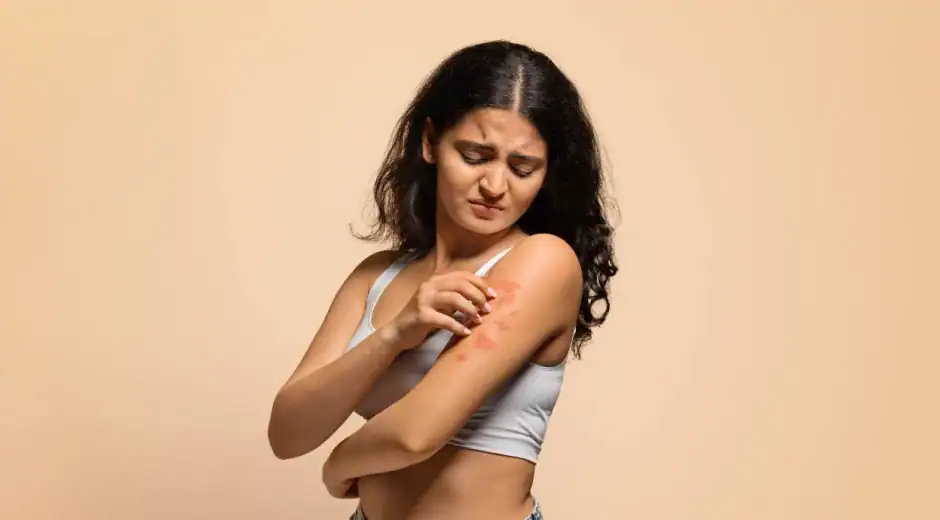
Advancing the Science of Healthy Skin
Our skin is our body’s largest organ and its first line of defense. When chronic conditions like eczema, psoriasis, or severe acne persist, they impact more than just your appearance—they can affect your sleep, confidence, and overall quality of life. Skin Conditions Clinical Trials are essential for developing next-generation topicals, oral medications, and biologics that aim to clear the skin and stop the cycle of inflammation at its source.
Understanding Skin Conditions Research
Dermatological research focuses on the biology of the skin barrier and the immune system’s role in inflammatory diseases. Modern research is moving toward “steroid-sparing” treatments—therapies that provide powerful relief without the long-term side effects associated with traditional corticosteroids.
Skin conditions frequently studied for medical research include:
-
Atopic Dermatitis (Eczema): Researching new biologics to stop the “itch-scratch” cycle.
-
Psoriasis: Testing oral and injectable therapies to achieve completely clear skin.
-
Acne & Rosacea: Investigating targeted treatments to reduce redness, sebum production, and scarring.
-
Hidradenitis Suppurativa (HS): Testing therapies to manage painful nodules and prevent future flares.
-
Alopecia Areata & Hair Loss: Researching ways to “reboot” hair follicles and promote regrowth.
-
Vitiligo: Exploring repigmentation therapies that help the skin regain its natural color.
-
Chronic Spontaneous Urticaria (Hives): Testing treatments for persistent, unexplained hives and itching.
-
Prurigo Nodularis: Investigating therapies for chronic, intense itching and firm skin nodules.
-
Skin Cancer (Melanoma): Testing precision therapies for early detection and advanced treatment.
Common Questions About Skin Condition Research:
-
Will I be allowed to use my current creams? Most studies allow you to use “rescue” moisturizers, but may ask you to pause other medicated topicals so the research team can accurately measure how the new treatment is working.
-
How do you measure if a skin treatment is working? We use standardized tools like the EASI score (for eczema) or PASI score (for psoriasis). These involve a simple physical exam where a specialist assesses the area and severity of your skin symptoms.
What are Skin Conditions Studies Exploring?
In recent years, research has shifted toward Microbiome Restoration and Precision Biologics. Depending on the specific trial, researchers may be investigating:
-
Microbiome-Based Therapies: Testing “probiotic” creams that restore the natural balance of healthy bacteria on your skin to boost its barrier function.
-
Oral Psoriasis Innovation: Developing small-molecule pills (like TYK2 inhibitors) that offer the same high-level results as injections without the needles.
-
Precision Lasers & Light Therapy: Evaluating how specific wavelengths of light can calm inflammation in hard-to-treat areas like the scalp or genitals.
-
JAK Inhibitors: Testing a new class of “pathway blockers” that stop the signals causing the intense itch in eczema and alopecia.
Who Can Join a Skin Conditions Clinical Trial?
Eligibility is typically based on the percentage of your body affected by the condition and your history of using standard creams. General criteria include:
| Eligibility Criteria | Typical Requirement |
| Confirmed Diagnosis | Documentation or screening for a specific condition (e.g., Psoriasis, HS, or Acne). |
| Body Surface Area (BSA) | May require a minimum percentage of skin involvement (e.g., 3%, 5%, or 10%). |
| Treatment History | Studies may be open to those starting therapy for the first time or those looking for alternatives to their current regimen. |
| Age Range | Typically adults 18+, though many trials are now open to adolescents (12-17) and children. |
| Study Commitment | Willingness to attend clinic visits for skin assessments and follow a daily treatment plan. |
The Screening Process:
What to Expect During a Skin Conditions Research Study?
Dermatology studies provide a structured environment to monitor your skin health using specialized tools and diagnostic insights not typically available in a standard clinic.
-
Informed Consent: The study team explains all details, risks, and benefits before you agree to join.
-
Visual Skin Exams: Regular check-ups where specialists document changes in your skin’s appearance and texture.
-
Photography: High-quality medical photography may be used to objectively track your progress over time (all photos are kept strictly confidential).
-
Symptom Diaries: Many studies use a mobile app to help you record changes in “itch intensity” or flare frequency.
-
No Cost to You: Study-related exams, specialized photography, and investigational medications are provided at no cost.
Why Participate in a Skin Condition Trial?
Choosing to participate is a powerful way to access high-level dermatological care while helping to advance the future of skin health.
-
Access to New Options: Explore investigational topicals and biologics before they are widely available to the public.
-
Expert Dermatological Care: Receive regular, high-touch monitoring from specialists who are leaders in your specific condition.
-
A Deeper Understanding: Gain insights into your skin’s health through specialized assessments and lab work provided at no cost.
-
Compensation for Time: Most studies provide payment for your time and travel for each visit to the clinic.
-
Helping Others: Your participation provides the data needed to create better, more effective treatments for millions of people worldwide.
Your Safety & Privacy
Your safety is our highest priority. Every protocol is reviewed and monitored by an Institutional Review Board (IRB) to ensure it meets the highest ethical and medical standards. Throughout the study, your skin health is closely monitored by a specialized team, and because participation is 100% voluntary, you can choose to leave the study at any time.
Stay Informed!
Breakthroughs in Skin Conditions Research are occurring every day. Join our patient community to stay updated on upcoming studies and be the first to know when a research opportunity opens in your area.