
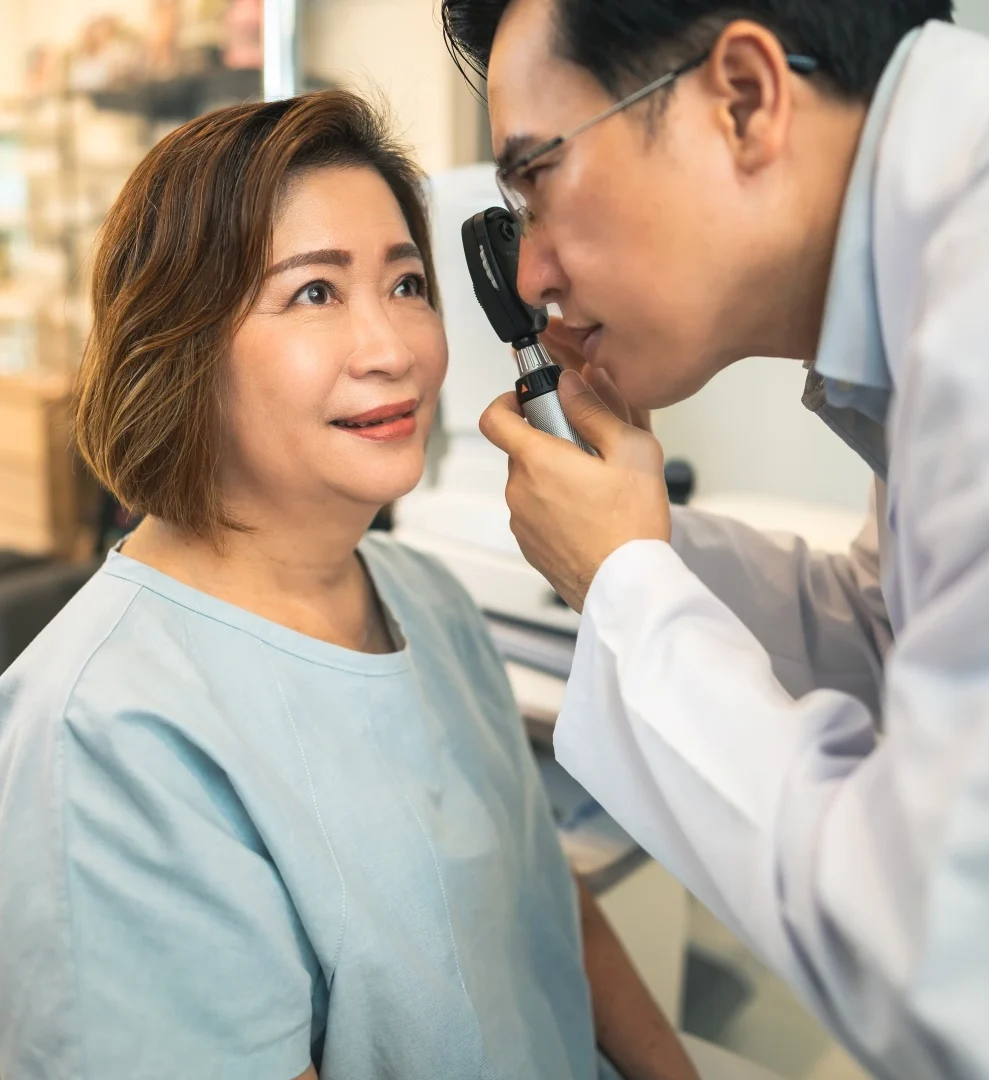
Eye Conditions Clinical Trials | Ophthalmology Research
Advancing the Future of Vision Health
Our vision is one of our most vital senses, connecting us to the world around us. However, many eye conditions can lead to progressive vision loss if not managed with the latest medical advancements. Eye Conditions clinical trials are at the heart of ophthalmology research, seeking new ways to protect the retina, manage internal eye pressure, and restore clarity for those living with chronic vision challenges.
Understanding Ophthalmology Research
Ophthalmology research covers the entire structure of the eye, from the clear front surface to the complex neural tissues in the back. Because vision is highly sensitive, research in this field focuses on developing treatments that are not only effective but also minimally invasive and long-lasting.
Eye conditions frequently studied for medical research include:
-
Macular Degeneration (AMD): Researching ways to protect central vision and slow disease progression.
-
Diabetic Retinopathy: Testing therapies to prevent blood vessel damage in the retina.
-
Glaucoma: Investigating new methods to manage intraocular pressure and protect the optic nerve.
-
Dry Eye Syndrome: Exploring long-term relief for chronic inflammation and tear production issues.
-
Cataracts: Researching advanced lens technology and surgical recovery.
-
Uveitis: Testing targeted treatments for internal eye inflammation.
Common Questions About This Research:
-
Will the tests hurt my eyes? Most tests are non-invasive photography or vision charts. Any specialized drops or procedures are explained in advance.
-
Do I need someone to drive me home? If a study visit requires dilating your eyes, we recommend having a driver for your safety.
What are Eye Conditions Studies Exploring?
In recent years, eye research studies are pushing the boundaries of how we treat vision loss. Depending on the trial, researchers may be investigating:
-
Sustained-Release Therapies: Developing implants or long-acting drops that reduce the need for frequent injections or daily eye drops.
-
Gene Therapy: Researching ways to “repair” genetic instructions within eye cells to treat inherited vision disorders.
-
Advanced Imaging Technology: Using high-resolution scans (like OCT) to detect microscopic changes in the eye earlier than ever before.
-
Neuroprotection: Testing medications designed to keep the cells of the optic nerve and retina healthy even under stress.
Who Can Join an Eye Condition Study?
Participation in vision clinical research is often based on the specific health of your eyes and your current level of vision. General criteria for our studies include:
| Eligibility Criteria | Typical Requirement |
| Confirmed Diagnosis | Documentation of an eye condition (e.g., Glaucoma, AMD, or Chronic Dry Eye). |
| Visual Acuity | Specific requirements regarding how well you see with or without corrective lenses. |
| Previous Eye Care | Some studies focus on individuals who haven’t responded to standard drops or treatments. |
| Exam History | Willingness to undergo specialized eye exams, many of which are provided as part of the study. |
The Screening Process:
We perform a detailed baseline eye exam to ensure your vision profile is a safe and appropriate fit for the research goals.
What to Expect During an Eye Research Study?
Vision research studies follow a carefully planned sequence of specialized exams and monitoring designed to protect and evaluate your sight throughout the entire study process.
- Vision Assessments: High-resolution scans (OCT) and specialized vision charts to track eye health.
-
Medication Administration: Learning how to use investigational drops or receiving specialized therapies from an eye surgeon.
-
Consistent Follow-ups: Regular check-ups to monitor changes in eye pressure or retina health.
Why Participate in an Eye Research Trial?
Choosing to join an Eye Conditions clinical trial provides access to specialized care focused entirely on preserving and improving your sight.
-
Access to New Innovations: Gain access to investigational eye treatments and therapies before they are widely available to the public.
-
Specialized Vision Monitoring: Receive in-depth eye exams and imaging from board-certified ophthalmologists and retina specialists.
-
No-Cost Care: All study-related procedures, specialized eye scans, and medications are provided at no cost. No insurance is required.
-
Contribute to Science: Help researchers develop the treatments that will prevent vision loss for future generations.
-
Participation Support: Most studies provide reimbursement for your time and travel for each visit to the clinic.
Vision Safety & IRB Oversight
Your vision is irreplaceable, and its protection is our highest priority. Every eye study follows a rigorous safety protocol approved and monitored by an Institutional Review Board (IRB). This independent committee ensures the study meets strict ethical and medical standards to protect your health. Your research team will use specialized equipment to monitor your eye health at every visit, and participation remains 100% voluntary.
Stay Informed on Upcoming Vision Research
Medical breakthroughs in Eye Conditions research are happening rapidly. Join our patient community to stay updated on upcoming studies and receive notifications when a research opportunity matching your health profile opens in your area.