
Digestive & Liver Clinical Trials | GI & Hepatology Research
Advancing the Future of Gut and Liver Health
Digestive health is central to our overall well-being, affecting how we absorb nutrients and how our immune system functions. When chronic gastrointestinal or liver issues arise, they can impact every part of your day, from what you eat to how you feel. Digestive & Liver clinical trials are essential for discovering new ways to manage inflammation, repair tissue, and improve the long-term health of the digestive tract and liver.
Understanding Digestive & Liver Research
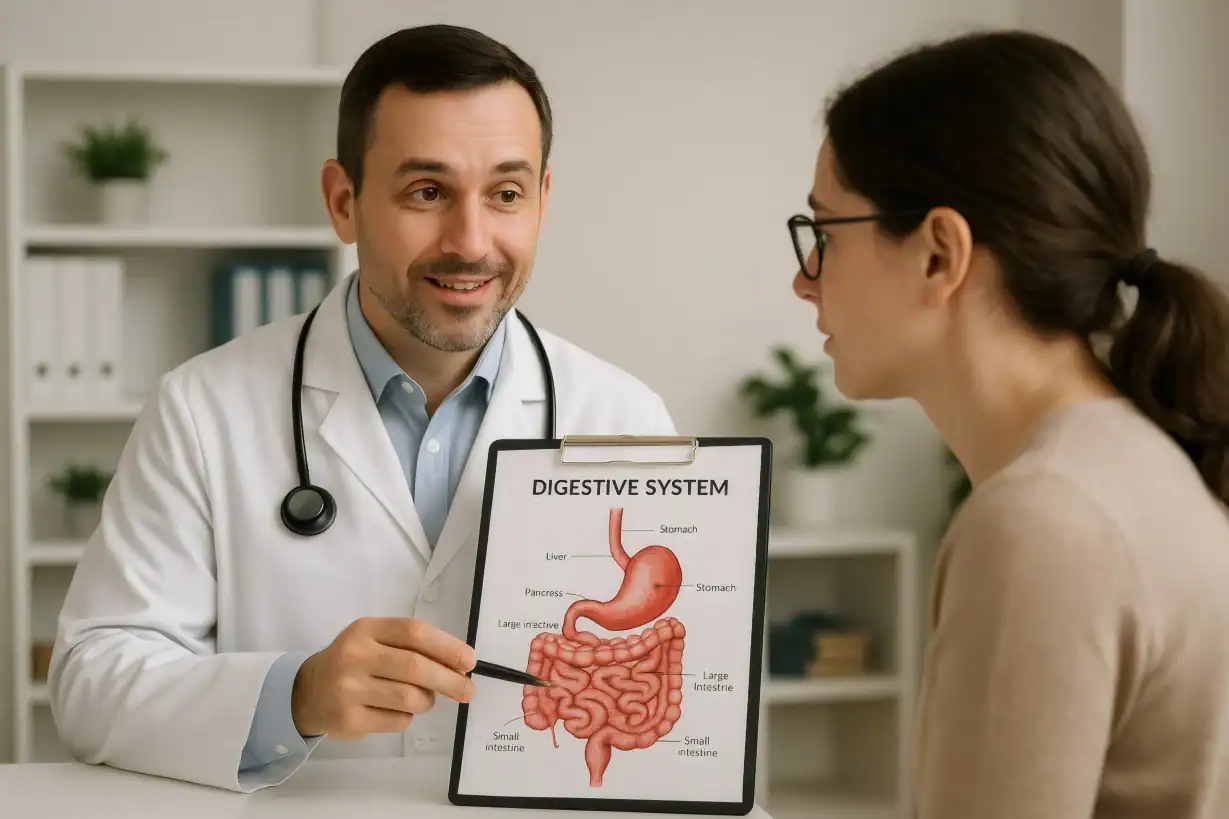
The digestive system is a complex network that includes the esophagus, stomach, intestines, and vital organs like the liver and pancreas. Research in this area (often referred to as Gastroenterology and Hepatology) focuses on both managing symptoms and treating the underlying causes of chronic digestive diseases.
Digestive and liver conditions frequently studied for medical research include:
-
Crohn’s Disease & Ulcerative Colitis: Researching new ways to manage inflammatory bowel disease (IBD).
-
IBS (Irritable Bowel Syndrome): Testing therapies for improved gut motility and symptom relief.
-
MASH / NASH (Fatty Liver Disease): Investigating treatments to reduce liver fat and prevent scarring (fibrosis).
-
Celiac Disease: Exploring options for those who may still experience symptoms on a gluten-free diet.
-
GERD (Acid Reflux): Researching long-term solutions for chronic acid reflux and esophageal health.
-
Cirrhosis: Focusing on slowing liver damage and improving liver function.
-
Chronic Constipation: Testing new ways to restore regular digestive health.
Common Questions About This Research:
-
Will I need a colonoscopy? Not always; many studies use non-invasive blood or stool tests, though some GI trials do include specialized imaging.
-
Are there dietary restrictions? Some trials may ask you to keep a food diary or follow specific guidelines during the study period.
What are Digestive & Liver Studies Exploring?
In recent years, GI and liver research studies are increasingly focused on the “gut microbiome” and non-invasive monitoring. Depending on the trial, researchers may be exploring:
-
Microbiome Therapy: Investigating how balancing gut bacteria can treat conditions like IBD or IBS.
-
Non-Invasive Liver Testing: Moving away from traditional biopsies and testing new imaging technologies to monitor liver health.
-
Targeted Anti-Inflammatories: Developing medications that only activate in the gut to reduce side effects throughout the rest of the body.
-
Dietary-Linked Therapies: Researching how specific medical-grade supplements or enzymes can help those with Celiac or food sensitivities.
Who Can Join a Digestive & Liver Clinical Trial?
Because digestive issues often overlap, eligibility is carefully determined to ensure the right participants are matched with the right research. General criteria for our digestive clinical trials include:
| Eligibility Criteria | Typical Requirement |
| Associated Diagnosis | A confirmed diagnosis of a GI or Liver condition (e.g., Crohn’s, IBS, or MASH). |
| Current Symptoms | Persistent symptoms such as abdominal pain, bloating, or irregular digestive habits. |
| Previous Treatment | Some studies look for people who haven’t found relief with standard over-the-counter or prescription medications. |
| Diagnostic History | May require recent imaging (like a colonoscopy or FibroScan), though many studies provide these at no cost. |
The Screening Process:
A screening visit ensures the study matches your GI history. This may include a FibroScan for liver studies or a simple symptom review.
What to Expect During a Digestive & Liver Research Study?
Digestive and liver studies provide a structured environment to monitor your gut health using specialized tools and diagnostic insights not typically available in a standard clinical setting.
-
Symptom Tracking: Using digital tools to record how you feel after meals or throughout the day.
-
Specialized Labs: Access to microbiome or liver enzyme testing not usually available in standard clinics.
-
Expert Guidance: Regular visits with gastroenterologists to monitor your digestive health.
Why Participate in a GI or Liver Trial?
Participating in a Digestive & Liver clinical trial offers a unique opportunity to access specialized care and potential new treatments.
-
Access to Specialized Experts: Receive regular check-ups and monitoring from board-certified gastroenterologists and hepatologists.
-
Advanced Health Insights: Many trials offer specialized testing—such as microbiome analysis or advanced liver imaging—that is not typically part of standard care.
-
No-Cost Care and Medication: All study-related procedures, lab work, and medications are provided at no cost, and insurance is not required.
-
Empowering Others: Your participation helps develop the treatments that will improve gut health for millions of people in the future.
-
Time & Travel Support: Most studies offer reimbursement for your time and travel for each visit to the clinic.
Commitment to Safety & IRB Oversight
Your comfort and safety are the top priorities in every digestive study. Every trial is strictly monitored and must be approved by an Institutional Review Board (IRB). This independent oversight ensures that the study is ethical and that your health is protected throughout the process. Since digestive health is highly personal, your research team will work closely with you to monitor your symptoms and ensure you are comfortable with every step. Participation is always voluntary.
Stay Informed on Upcoming Digestive Research
New advancements in Digestive & Liver research are being made every day. Join our patient community to receive updates on upcoming studies in your area and be the first to know about new research opportunities that match your health needs.