

Overview
Join a Diabetic Peripheral Neuropathy Research Study
Living with painful Diabetic Peripheral Neuropathy (DPN) can mean dealing with constant burning, tingling, or numbness that affects your sleep and daily life. Managing these symptoms is often difficult, and new options are needed.
If you are managing Type 1 or Type 2 diabetes, you know that nerve pain in your feet or legs can be one of the most challenging symptoms. Research is ongoing to evaluate an investigational medication for this pain.
We are looking for volunteers to participate in our diabetic peripheral neuropathy research study exploring a potential option for diabetic nerve pain.

About DPN
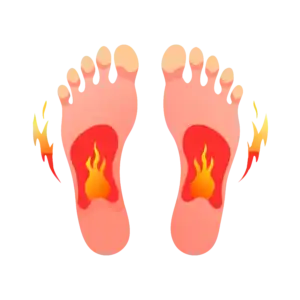
Diabetic neuropathy is a kind of damage to the nerves that occurs in about 50% of people with diabetes. Diabetic neuropathy can affect a wide variety of nerves. When it affects the nerves of the feet, legs, arms, and hands, it is called diabetic peripheral neuropathy (DPN). DPN is the most typical form of diabetic neuropathy. Common symptoms may include but are not limited to:
- Feelings of numbness
- Inability to feel pain
- Weakness of the muscles
- A tingling or burning feeling
- High sensitivity to touch in the affected areas
- Ulcers, infections, joint and bone damage
Diagnosis of DPN may occur at any age and be different based on what symptoms are present. Testing may include checking muscle strength and reflexes or biopsies of the nerves and muscles.
Join our diabetic peripheral neuropathy research study today!
About the Study
About the Diabetic Peripheral Neuropathy Research Study
The purpose of these studies is to understand if an investigational drug is safe and effective for adults with pain associated with diabetic peripheral neuropathy (DPN).
These non-opioid investigational drugs are being developed for the management of pain. They are designed to target a sodium channel in the body which plays an important role in pain signaling. Researchers are evaluating if blocking this channel will treat pain from DPN.
Who Can Join
Diabetic Peripheral Neuropathy Research Study Criteria
You may be able to participate if you:
- Between 18 and 80 years old
- Have Type 1 or Type 2 diabetes
- Have pain from diabetic peripheral neuropathy in both feet or legs for at least 1 year
- Have a BMI under 40
- Have an A1C of 9% or lower (this will be tested at the study site if needed)
- Are able to take acetaminophen (Tylenol®) for pain relief if needed
- Have been on stable diabetes medications for the last three months
You may not be eligible if you:
- Have nerve pain caused by another condition unrelated to diabetic neuropathy
- Have certain sensory disorders such as fibromyalgia or similar conditions
- Have a history of certain heart conditions
- Have used opioid pain medications within the past 3 months
- Have recently taken certain investigational pain medications
Not sure if you qualify? That’s okay.
A member of our recruitment team will review your medical history and medications with you to see if this study may be right for you. You may also qualify for other studies.
What to Expect
- Take the study medication or placebo as directed
- Attend scheduled visits so the research team can monitor your health and pain levels
- Track or discuss changes in your nerve pain symptoms